Cell Culture & Microbial Bio-technology
The focus of the Microbial biotechnology team in VMRC is on screening bacterial cultures, finding the reason for resistance, and studying the genetic level influence of antibiotic resistance breakers (ARBs)



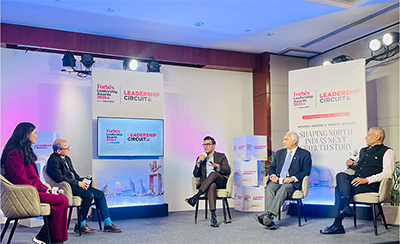
He shared his perspective on the importance of building integrated innovation ecosystems where scientific research, clinical excellence, advanced manufacturing and entrepreneurship converge to create globally competitive industries.
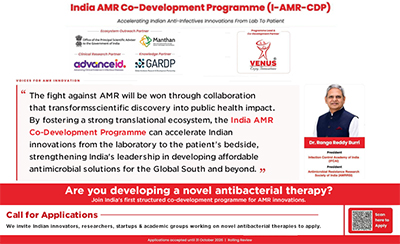
We are turning intent into action through I-AMR-CDP—investing in promising antibacterial innovations and advancing them from translational research to clinical development and commercialization.
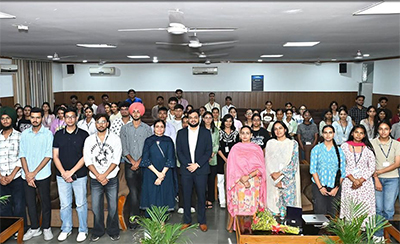
Our R&D Strategy Lead, Mr Anmol Aggarwal, engaged students at Chandigarh Group of Colleges on biotechnology’s growing role in combating antimicrobial resistance.
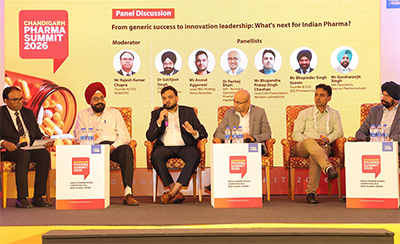
Mr Anmol Aggarwal joins the discussion on what it will take for Indian pharmaceutical companies to transition from generics-led growth to innovation leadership.
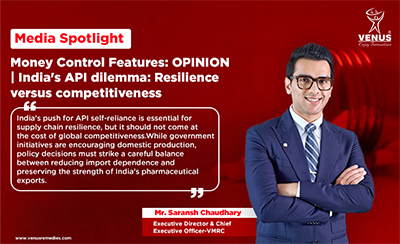
Mr Saransh Chaudhary shares his perspective on India’s API dilemma, highlighting the need to strengthen self-reliance and supply-chain resilience without compromising the global competitiveness of Indian pharma.
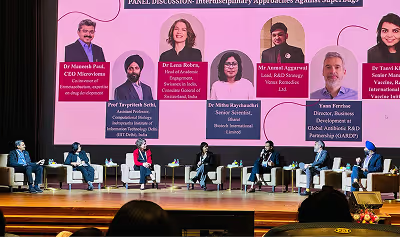
The discussion covered important areas like drug development, AMR talent gap, role of AI/ML, vaccines development and the challenges shaping AMR innovation.
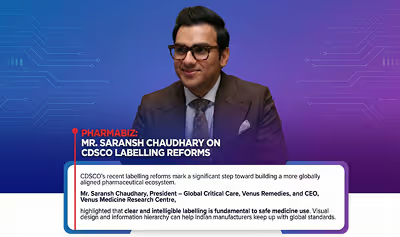
Featured in Pharmabiz, Mr. Saransh Chaudhary explains how CDSCO’s labelling reforms will enhance patient safety and align India with global pharma standards.
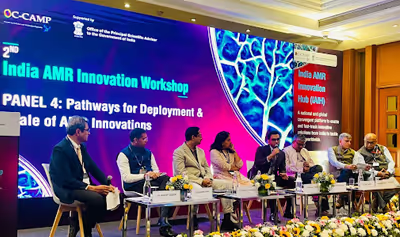
We were honored to participate in the 2nd India AMR Innovation Workshop held in New Delhi under the aegis of Centre for Cellular and Molecular Platforms (C-CAMP).
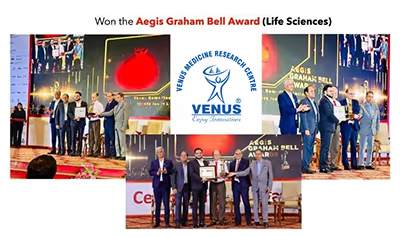
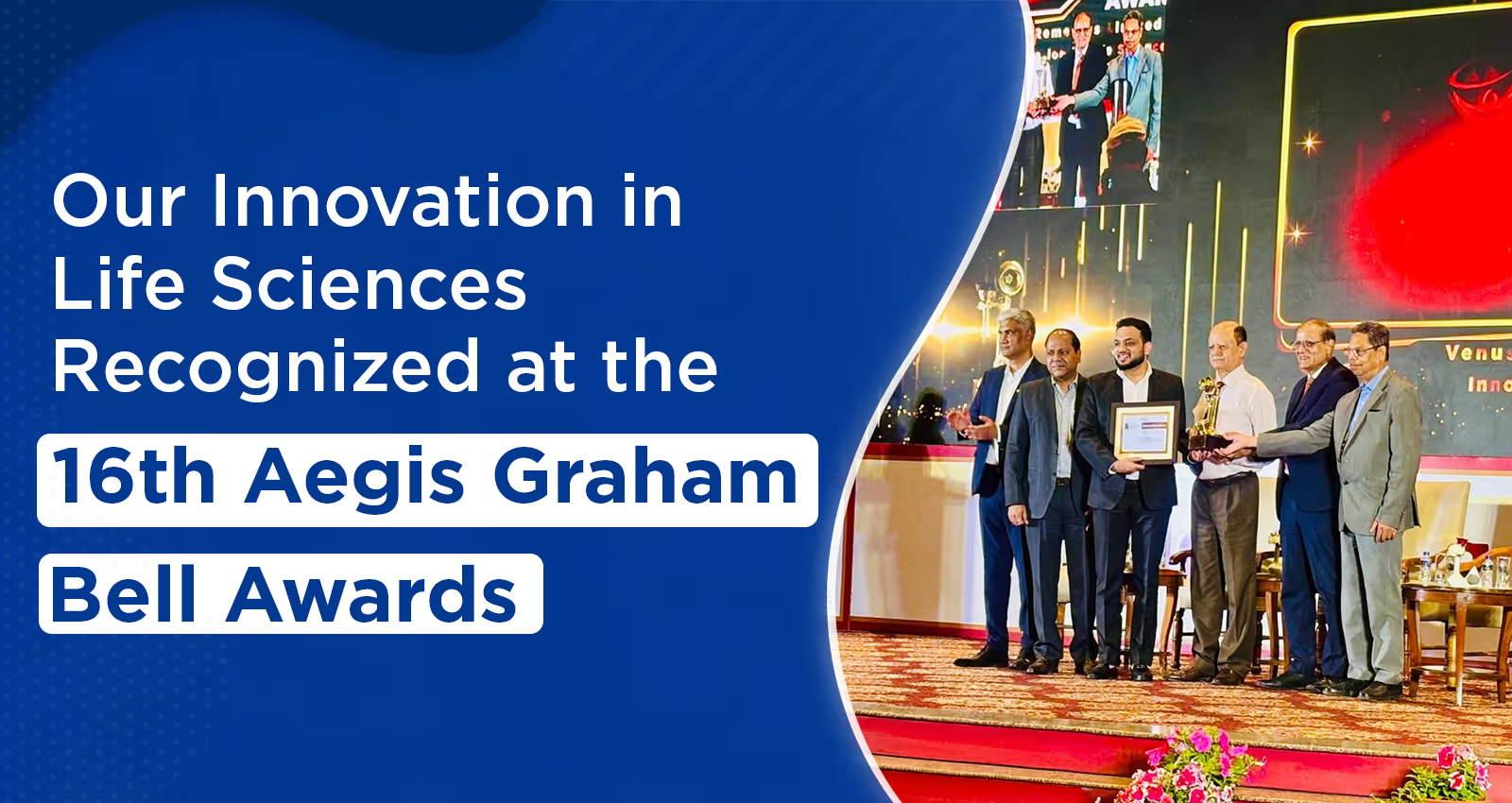
We were awarded as the winner at the 16th Aegis Graham Bell Awards under Innovation in Life Sciences. This achievement reflects our continued focus on advancing science-led innovation.
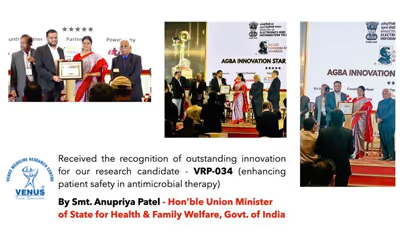
Our research candidate 𝗩𝗥𝗣-𝟬𝟯𝟰 has received national recognition for outstanding innovation, with the honour conferred by 𝗦𝗺𝘁. 𝗔𝗻𝘂𝗽𝗿𝗶𝘆𝗮 𝗣𝗮𝘁𝗲𝗹, 𝗛𝗼𝗻’𝗯𝗹𝗲 𝗨𝗻𝗶𝗼𝗻 𝗠𝗶𝗻𝗶𝘀𝘁𝗲𝗿 𝗼𝗳 𝗦𝘁𝗮𝘁𝗲 𝗳𝗼𝗿 𝗛𝗲𝗮𝗹𝘁𝗵 & 𝗙𝗮𝗺𝗶𝗹𝘆 𝗪𝗲𝗹𝗳𝗮𝗿𝗲, 𝗚𝗼𝘃𝗲𝗿𝗻𝗺𝗲𝗻𝘁 𝗼𝗳 𝗜𝗻𝗱𝗶𝗮.
We began the year with a renewed sense of purpose- driven by our commitment to transform unmet healthcare needs into meaningful scientific solutions. This purpose took shape in Venus Medicine Research Centre (VMRC) laboratories, where our unwavering focus on antimicrobial resistance (AMR), patient safety, and clean-label therapeutics continues to anchor our innovation strategy.


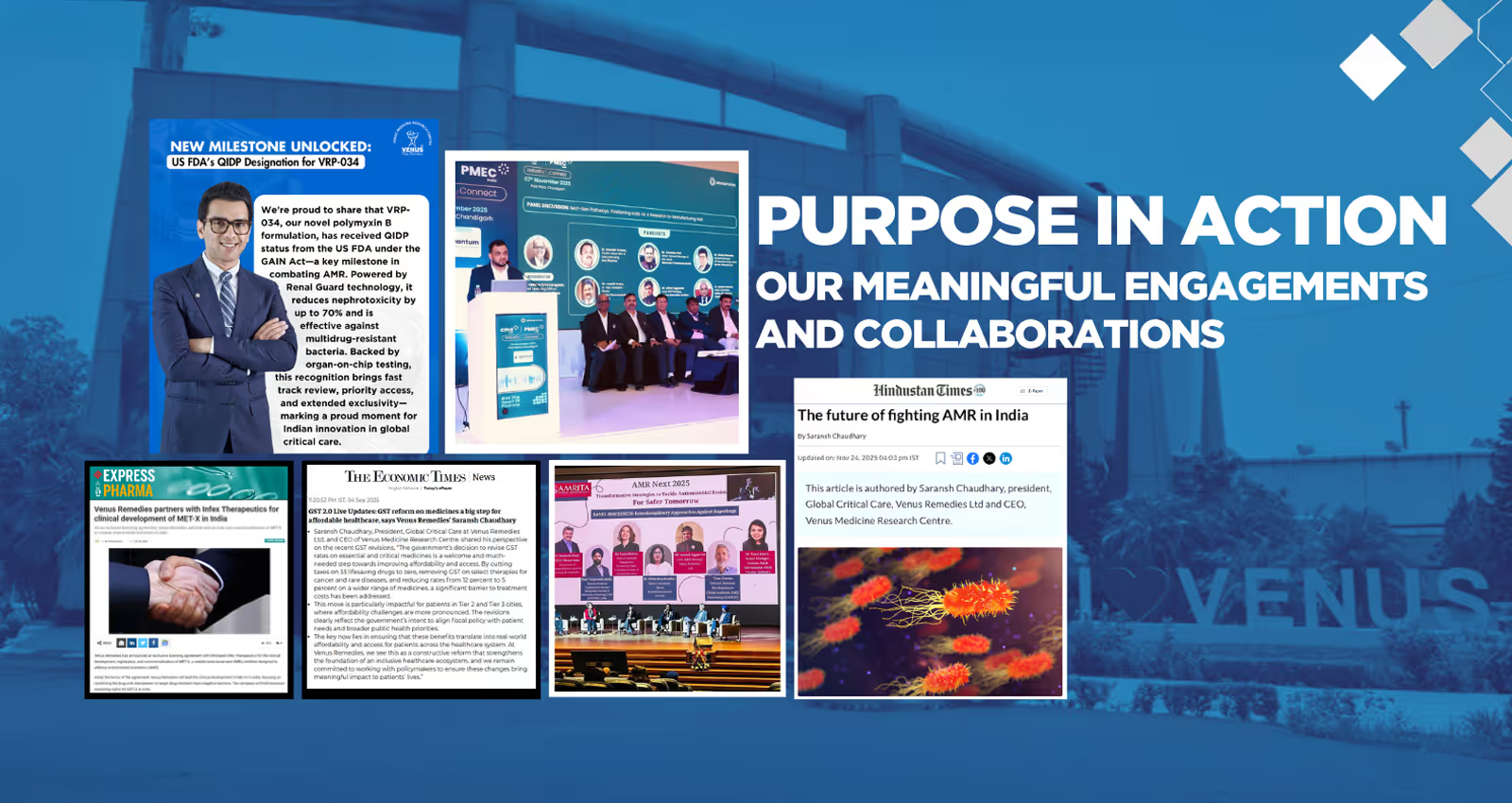
VMRC continued to make strides in regulatory advancement with the United States Food & Drug Administration (USFDA) granting Qualified Infectious Disease Product (QIDP) designation to VRP-034. This designation affirms the molecule’s global clinical relevance and offers multiple regulatory benefits, including priority review and extended market exclusivity in the United States. It reflects the scientific rigour and therapeutic promise embedded in VMRC’s AMR-focused innovations.
The year saw a strong focus on disseminating VMRC’s research through peer-reviewed publications and high-impact scientific platforms. The organisation contributed to renowned journals, including:
International Journal of Antimicrobial Agents (IJAA)
Antimicrobial Agents and Chemotherapy (AAC)
Antibiotics
These publications detailed critical findings from VMRC’s studies, including toxicokinetic evaluations and nephrotoxicity reduction models.
VMRC also enhanced its scientific presence by participating in key international conferences such as ASM/ESCMID 2024 in Portugal and Criticare 2024. These platforms provided a stage to share insights, forge collaborations, and position VMRC at the forefront of global scientific discourse in infectious diseases and critical care.


Further pushing the boundaries of translational research, VMRC adopted gene-editing workflows and began pilot studies using CRISPR-Cas technology on resistant pathogen models
Integrating CRISPR-based tools into VMRC’s research platform marks a significant step forward in next-generation drug discovery.
VMRC secured membership in the AMR Multi-Stakeholder Partnership Platform, an international consortium of academic, government, and industry stakeholders. This membership placed PLEA (Preserving Life of Existing Antibiotics)—an initiative within VMRC—among globally recognised efforts to counter AMR.
These global affiliations signify VMRC’s increasing involvement in policy-level discussions and international initiatives that influence AMR strategies and solutions.


The idea behind Vivli AMR is that the research projects enabled by this platform will further advance understanding, inform decision-making, and drive policy changes in the medical community, global organizations such as the United Nations and the World Health Organisation, and wider society.
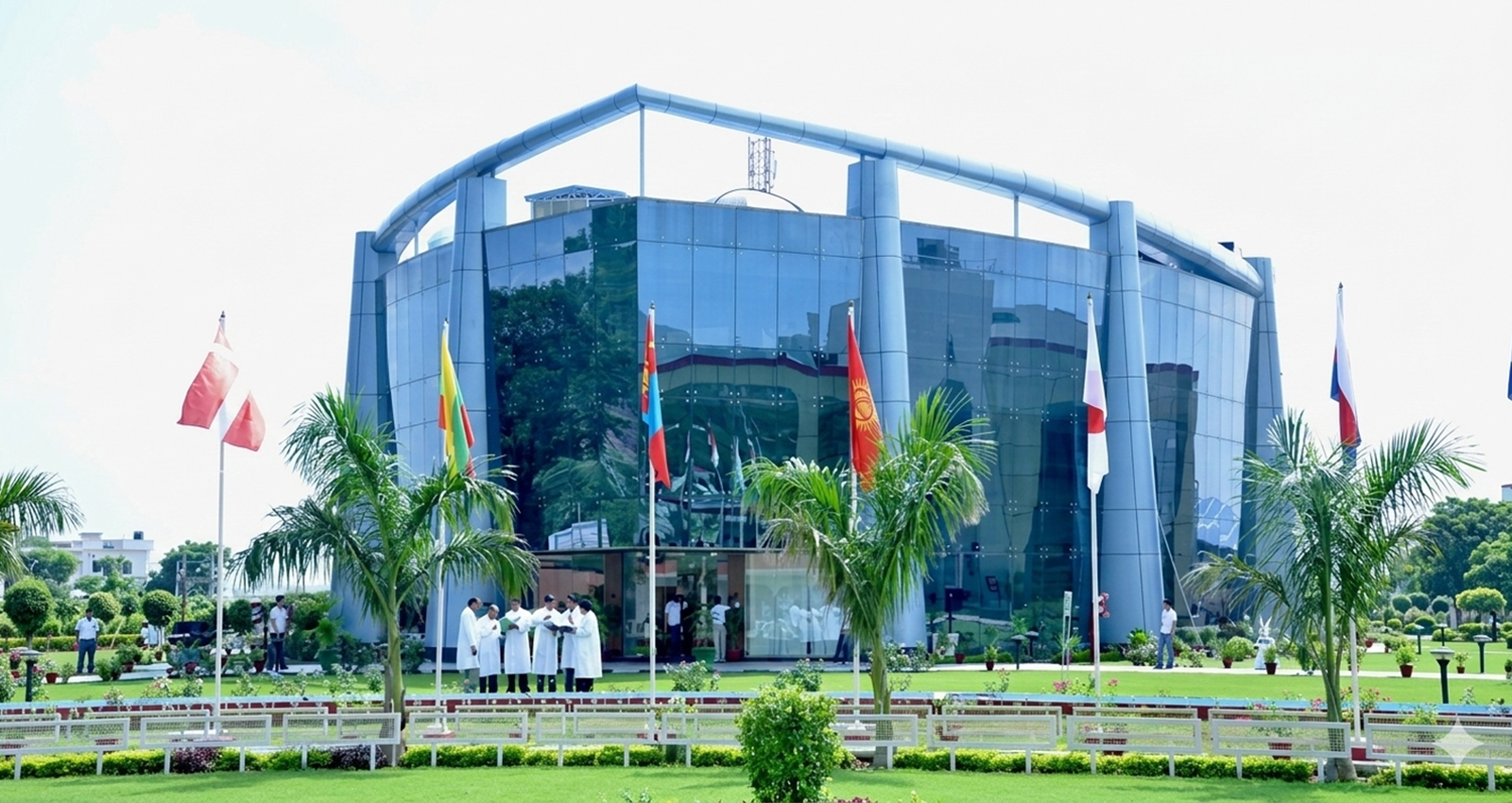
Venus Remedies Limited celebrates 18 years of research excellence, innovation, and life changing healthcare impact through its world class integrated R&D centre.

Accelerated regulatory expansion year featuring major product approvals, patent milestones, scientific presentations, and consumer healthcare portfolio diversification.

Clinical advancement year with VRP-034 progress, global regulatory approvals, AMR leadership recognition, scientific publications, and strong international engagement.
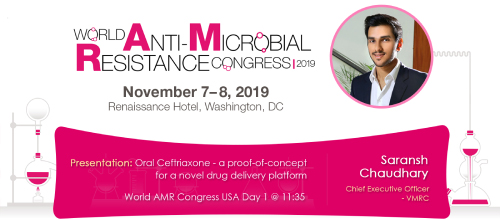
Chief Executive Officer-VMRC, will deliver an oral presentation on proof of concept studies for VRT001-C (oral ceftriaxone) at World AMR Congress 2019
IDWeek is the joint annual meeting of the Infectious Diseases Society of America (IDSA), Society for Healthcare Epidemiology of America (SHEA), the HIV Medical Association (HIVMA), and the Pediatric Infectious Diseases Society (PIDS).
Stay informed with our latest research and tips.

Antibiotic resistance is one of the biggest challenges humans have ever faced.

AMR unequivocally impacts all healthcare facilities and patients and healthcare providers deal with it on a daily basis in the form of HAIs.
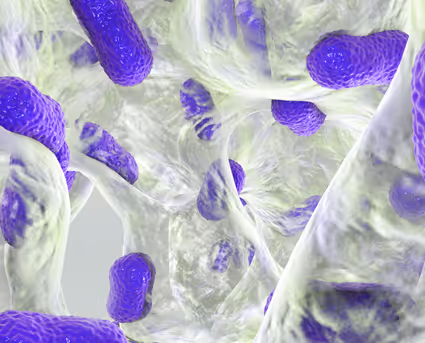
ARBs offer a means to both suppress the emergence of resistance and rescue the activity of existing drugs.

A challenge regarding the design of nanocarriers for drug delivery is to prevent their recognition by the immune system. To improve the blood residence time.
Explore the publications in our areas of expertise and the impact of our work.
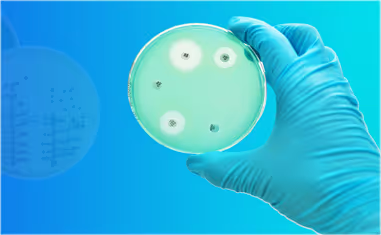
The focus of the Microbial biotechnology team in VMRC is on screening bacterial cultures, finding the reason for resistance, and studying the genetic level influence of antibiotic resistance breakers (ARBs)
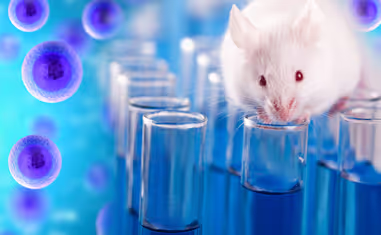
Pre-Clinical and Toxicology form the basis of drug development in VMRC. The stage comes before the clinical trials, during which various drug data points are collected.
Our focus is on identification and resistance detection in microorganisms. We help improve human lives by providing identification and suggesting treatment for diseases.

Natural Product Research Lab is involved in research integrating modern NDDS/Nanotechnology with ancient herbal wisdom.

Nurturing research ecosystem to develop innovative solutions
Our pipeline is more than a list of medicines in development

Meet our highly talented team of Venus Medicine Research Centre

Together we can make a difference to make healthier tomorrow.

Venus Investigator Initiated Studies Hub to encourage science.

Plea is our step towards antibiotic stewardship